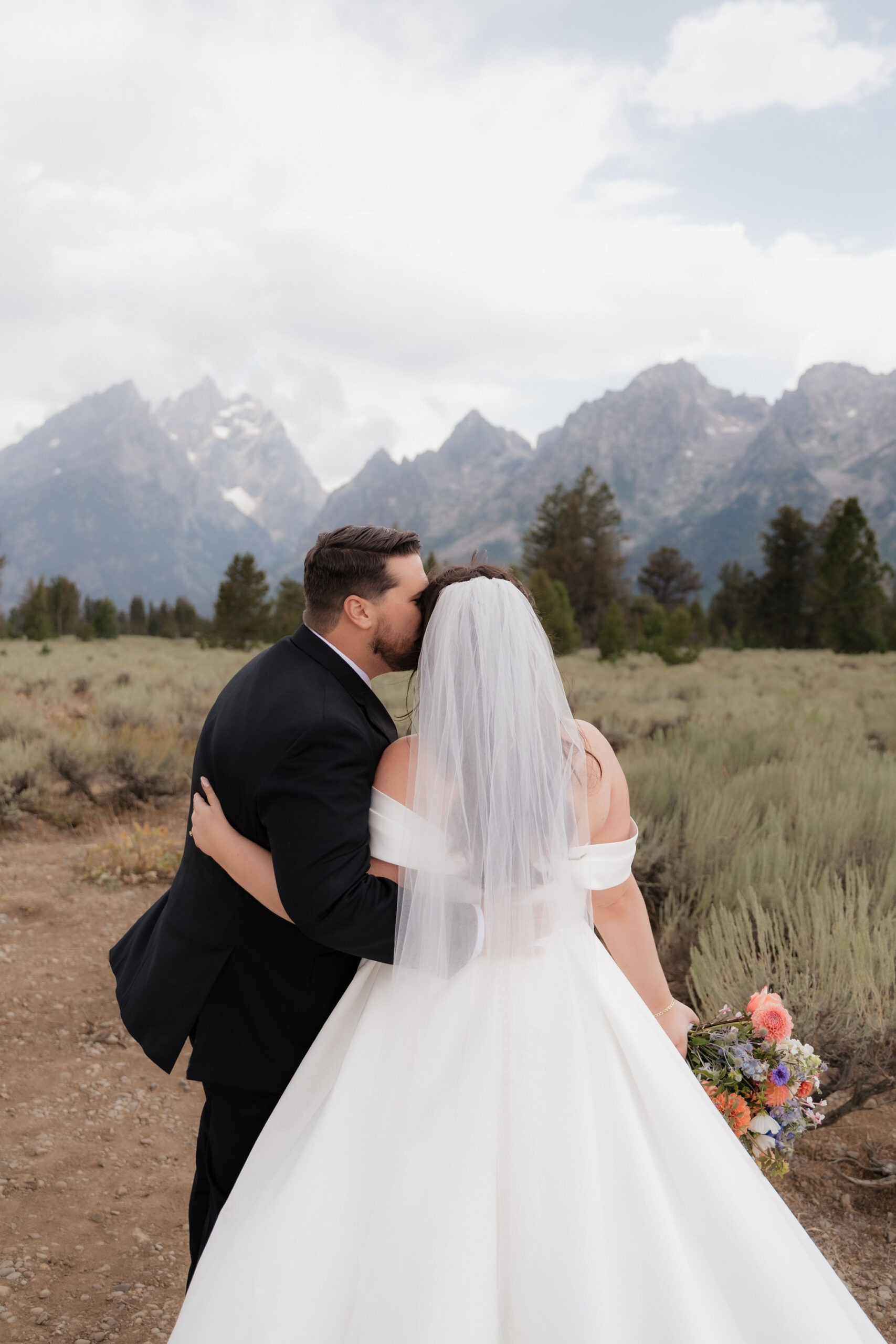
Loveland Pass is one of the most accessible high-alpine elopement locations in Colorado, offering expansive mountain views, dramatic weather patterns, and a true sense of elevation without the commitment of a long hike or complex permitting process. Sitting just below 12,000 feet on the Continental Divide, it is a location that feels vast and grounding at the same time.
For couples who want a Colorado mountain elopement that prioritizes presence, simplicity, and landscape over production, Loveland Pass offers a rare balance. This guide covers everything you need to know about eloping at Loveland Pass, including logistics, seasons, permits, timelines, accessibility, and what the experience actually feels like on the day.
Why Loveland Pass Is a Meaningful Place to Elope
Loveland Pass isn’t polished or curated, and that’s exactly what makes it special. It’s raw, exposed, and expansive in a way that feels deeply honest. There are no visitor centers, no defined ceremony sites, and no prescribed way to experience it. Instead, you’re met with open sky, wind sweeping across the ridgeline, and a sense of scale that immediately pulls you out of routine and into the moment.
At nearly 12,000 feet, the views stretch across rugged peaks, alpine valleys, and distant mountain ranges. The landscape changes constantly as clouds move quickly across the sky, light shifts across the terrain, and weather rolls in and out. It’s a place that asks you to be present, not performative, which is why it resonates so strongly with couples choosing to elope.
Loveland Pass is especially well-suited for couples who:
- Want mountain views without a strenuous hike
- Value simplicity over production
- Prefer a flexible, unstructured timeline
- Want their elopement to feel immersive rather than staged
Where Is Loveland Pass?
Loveland Pass is located along U.S. Highway 6, just east of the Eisenhower Tunnel and about an hour from Denver, depending on traffic and conditions. It sits on the Continental Divide and serves as a gateway between Summit County and Clear Creek County.
Because it’s a mountain pass rather than a park or venue, the experience is much more fluid, you’re not confined to a single overlook or trail, and the scenery varies depending on where you explore along the ridgeline.
Nearby towns include:
- Keystone
- Dillon
- Silverthorne
- Idaho Springs
Many couples choose to stay in one of these towns and drive up to the pass early in the morning or later in the day.
When to Elope at Loveland Pass
Best Time of Year
Loveland Pass is typically accessible from late June through early October, depending on snowfall and road conditions. Snow can linger well into early summer, and early storms can arrive as soon as September.
The most reliable window is mid July through mid September.
Seasonal Overview
| Season | Conditions | Benefits | Considerations |
|---|---|---|---|
| Early Summer | Snow patches, cool mornings | Fewer crowds, dramatic contrast | Limited access off road |
| Mid Summer | Snow free, long daylight | Reliable access, flexible timelines | Afternoon storms |
| Early Fall | Cooler air, dramatic light | Fewer visitors, softer colors | Shorter days, colder wind |
Winter elopements at Loveland Pass are not recommended due to road closures, avalanche risk, and extreme conditions.
Best Time of Day to Elope at Loveland Pass
Because Loveland Pass is easily accessible by car, time of day plays a major role in the experience.
Sunrise Elopements
Sunrise is often the best option.
Benefits include:
- Minimal traffic
- Softer and more directional light
- Calmer wind conditions
- Increased sense of privacy
Mid Morning Elopements
Mid morning can work well for couples who want more light without the intensity of afternoon weather.
Expect:
- Increased vehicle traffic
- Steady light
- Moderate wind
Golden Hour Elopements
Golden hour can be beautiful but is less predictable.
Considerations:
- More visitors and cyclists
- Stronger winds
- Less privacy
Permits and Regulations at Loveland Pass
Loveland Pass does not require a wedding or elopement permit for small, low-impact ceremonies. This is one of the reasons it appeals to couples seeking a simpler planning process.
However, it is important to understand that the area is managed by the U.S. Forest Service. This means Leave No Trace principles are essential.
What This Means in Practice
- Ceremonies should remain small and unobtrusive
- No permanent structures or decor
- No disturbance to alpine tundra
- Everything brought in must be packed out
If your plans involve chairs, arches, amplified sound, or a larger guest count, Loveland Pass may not be the right fit.
Accessibility at Loveland Pass
One of the defining features of Loveland Pass is accessibility.
Accessibility Overview
| Factor | Loveland Pass |
|---|---|
| Vehicle Access | Yes |
| Long Hike Required | No |
| Elevation | Very high 11,000+ ft |
| Terrain | Rocky, uneven |
| ADA Accessible | No |
Loveland Pass is accessible by vehicle, but the terrain itself is uneven and exposed. Couples and guests should be comfortable standing and walking on rocky ground.
Altitude can also affect energy levels, especially for those traveling from lower elevations.
What a Loveland Pass Elopement Actually Feels Like
Eloping at Loveland Pass is not about controlling the environment, it’s about responding to it.
The wind may be strong. Clouds may move quickly. The temperature may shift within minutes. Rather than working against those elements, the experience is about letting them shape the day. There’s often a quiet stillness between passing cars. A sense of being held by the landscape rather than performing within it. Moments feel unforced, unfiltered, and deeply grounded, which is why this location pairs so well with documentary photography and flexible timelines.
Working with an experienced Colorado elopement photographer allows the day to unfold naturally, with guidance that adapts to light, weather, and movement without pulling you out of the experience.
Sample Loveland Pass Elopement Timelines
Sunrise Elopement Timeline
- Early morning departure from lodging
- First look and quiet moments along the ridgeline
- Ceremony as light breaks over the mountains
- Extended portraits and exploration
- Breakfast or coffee in a nearby town
Mid-Morning Elopement Timeline
- Arrival after sunrise
- Exploring viewpoints and side trails
- Ceremony once the light settles
- Unhurried portraits
- Late brunch or picnic
Both options allow for flexibility, which is one of the biggest advantages of eloping here.
What to Wear for a Loveland Pass Elopement
Preparation matters at high elevation.
Clothing Considerations
- Layers for warmth and wind
- Closed toe shoes or boots
- Simple silhouettes that move naturally
- Textured fabrics that photograph well
Flowing dresses, structured outer layers, and natural materials tend to work best in alpine conditions.
Packing Checklist
| Item | Why It Matters |
|---|---|
| Warm layers | Wind and cold |
| Water and snacks | Altitude dehydration |
| Sunscreen | High elevation sun |
| Sturdy footwear | Rocky terrain |
| Blanket or shawl | Warmth and portraits |
Photography Considerations at Loveland Pass
Loveland Pass rewards an approach that prioritizes awareness over control.
Key considerations include:
- Light direction changes quickly
- Wind affects movement and comfort
- Open landscapes require intentional composition
Rather than directing heavily, photography here focuses on observation, timing, and documenting what unfolds naturally.
If your plans lean slightly larger or more structured than a traditional elopement, I also photograph intimate celebrations as a Colorado wedding photographer.
Is Loveland Pass Right for You?
Loveland Pass is an incredible choice if you:
- Want dramatic scenery with minimal logistics
- Are comfortable with unpredictable weather
- Value simplicity and presence
- Prefer an unstructured, experience-led day
It may not be the best fit if you’re looking for privacy guarantees, elaborate décor, or a large guest list, and that’s okay. The right location should feel aligned, not forced.
Final Thoughts on Eloping at Loveland Pass
Loveland Pass offers a rare kind of freedom, one rooted in openness, scale, and the ability to simply show up as you are. There’s no script here, no formula to follow. Just a landscape that invites you to slow down and choose intention over expectation.
Hi! I'm emily!

i'm a traveling wedding & elopement photographer specializing in digital & 35mm film capturing adventurous, passionate, madly in love couples